A Guide to keeping a Pet
Helpful tips to keep a pet and types of animals commonly kept.
Types of Pets
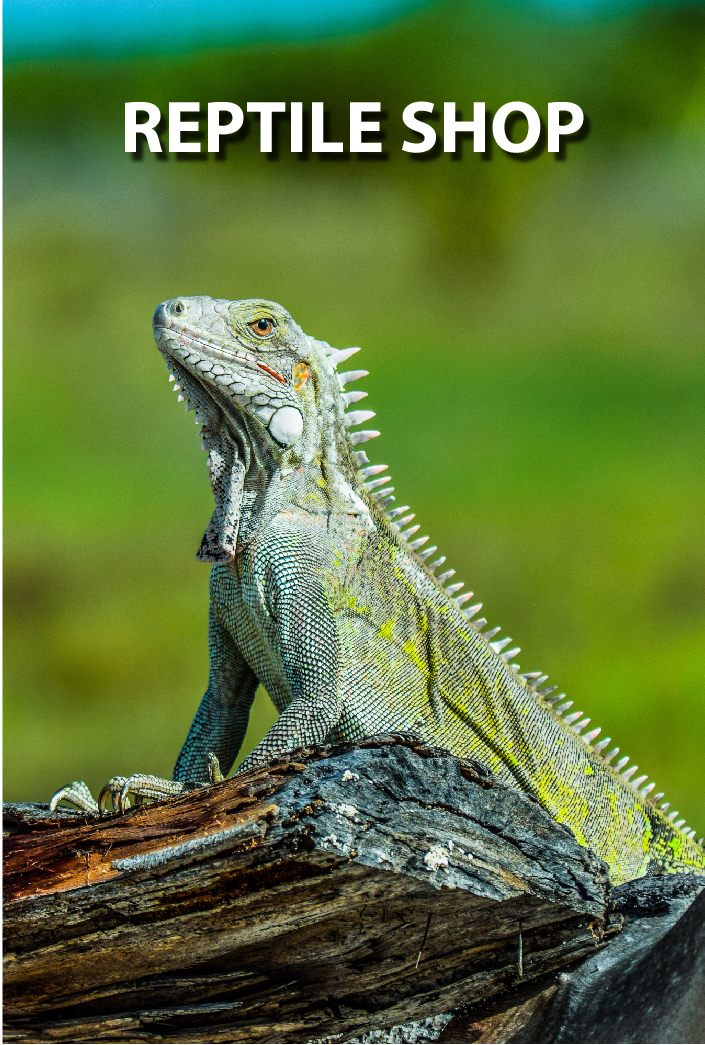
Gecko
Snake
Bearded dragon
Ball pythonsGecko
A small, lizard known for its incredible ability to climb smooth surfaces like walls and ceilings using specialized toe pads with microscopic hairs.
Types of gecko
Tokay gecko
Leopard gecko
African fat tailed gecko
gold dust day gecko
eublepharids
Phyllodactylidae gecko
Frog eyed gecko
Crested gecko
Food
Geckos are primarily insectivores, eating live insects like crickets, mealworms, roaches, and flies, but their diet varies by species; some like crested geckos eat, fruits, nectars, and specially formulated crested gecko diets
Life span
Geckos generally live 10-20 years in captivity with proper care, though this varies by species; common pet types like Leopard Geckos live 10+ 20+ years
Habitats
Geckos thrive in diverse, warm habitats globally (except Antarctica), from lush rainforests, woodlands, and mangroves to arid deserts, grasslands, and even human homes and cities, using camouflage and sticky feet to navigate trees, rocks, and walls.
How to make a terrarium
To make a gecko terrarium, you need an appropriately sized tank, a secure screen lid, an under-tank heater with a thermostat for a heat gradient, multiple hides (hot, cool, humid), a water dish, a calcium dish, safe substrate (like paper towels or soil/sand mix), and climbing decor (rocks, branches). Good ventilation, proper temperatures (warm and cool sides), and essential supplements are crucial for a healthy habitat, with UV lighting sometimes recommended for better health.
Care level
Most popular pet geckos, such as leopard geckos and crested geckos, are considered great pets for both beginners and experienced keepers. They are generally hardy, have manageable care requirements, and are easy to handle if done correctly.
Snake
Types of snakes corn snakes
ball pythons
king snake
rosy boas
garter snakes
Kenyan sand boas
Food
Snakes are carnivores (meat-eaters) with diverse diets depending on their species, size, and habitat, eating everything from insects, eggs, fish, frogs, lizards, and birds to larger prey like rodents (mice, rats, rabbits) and sometimes even other snakes, with larger constrictors taking bigger mammals
Life span
Snakes' lifespans vary greatly by species, from a few years in the wild to several decades in captivity, with smaller snakes like garter snakes living 5-10 years, while large constrictors like pythons and boas can live 20-40+ years
Habitat
Snakes inhabit diverse environments globally, thriving in forests, grasslands, deserts, swamps, and both fresh and saltwater
How to make a terrarium
To make a snake habitat, choose a secure enclosure, create distinct warm and cool zones with a heat source and hides, add appropriate substrate and decor like branches for climbing (if needed), and ensure a large water dish and proper lighting and humidity
Care level
knowledge of its specific care requirements and be committed to providing the right environment. The required expertise varies greatly depending on the snake species.
Bearded dragon
Types of bearded dragons
central bearded dragon
Rankins dragon
eastern bearded dragon
pogona minor dragon
central bearded dragon
Food
Since they are omnivores, they eat both plants and animals and can dine on a wide range of food, from live mealworms, kingworms and crickets to greens such as parsley and kale and vegetables like pepper and sweet potato. You can even give them limited amounts of fruit.
Life span
A bearded dragon's lifespan is typically 8 to 15 years in captivity with proper care, though they can live shorter lives in the wild (4-10 years) due to predators and scarcity
Habitat
Bearded dragons are medium-sized terrestrial lizards native to eastern and central Australia. Their preferred habitat is semiarid desert, scrubland, and dry forest
How to make a terrarium
make a bearded dragon terrarium, you need a large enclosure (4'x2' for adults), proper heating (basking spot ~95-100°F, cool side ~75-85°F), UVB lighting, appropriate substrate like tile or sand/soil mix, food/water bowls, and decor for climbing/hiding (branches, rocks, hides), all while maintaining humidity and ensuring a secure, ventilated lid for an Australian desert-like environment
Care level:
make a bearded dragon terrarium, you need a large enclosure (4'x2' for adults), proper heating (basking spot ~95-100°F, cool side ~75-85°F), UVB lighting, appropriate substrate like tile or sand/soil mix, food/water bowls, and decor for climbing/hiding (branches, rocks, hides), all while maintaining humidity and ensuring a secure, ventilated lid for an Australian desert-like environment
Dogs, Cat, Fish and birds
Dog
1.Food
Dogs eat a mix of high-quality dog food (kibble/wet) and safe human foods like cooked lean meats (chicken, turkey, beef), fish (salmon), eggs, certain veggies (carrots, green beans, pumpkin), and some fruits (blueberries, apples
Types of Dogs (BASIC)
German shepherd
Bull dog
Labrador retriever
Golden retriever
French bulldog
Siberian husky
Beagle
life span
A dogs lifespan is about 10 to 13 years for a medium size.
habitat
Dogs are adaptable and live globally with humans, but their "habitat" ranges from cozy homes and apartments to feral environments in forests, plains, deserts, and even urban areas
how to build a dog house
To make a dog house, you'll build a simple structure from wood or pallets, focusing on a solid base, four walls, and a pitched roof for weather protection, ensuring it's big enough for your dog with good ventilation and a proper entrance, then customize it with paint, bedding (like grass hay for warmth), or even indoor features like a dog bed nook
Care level
Dog care levels range from basic needs (food, shelter, vet) to professional qualifications (Ofqual Levels 2, 3, 4) for handling behavior, health, and welfare in commercial settings, with training levels also varying from beginner (basic obedience) to advanced (agility, specialized skills) for enhancing a dog's life and owner-dog bond.
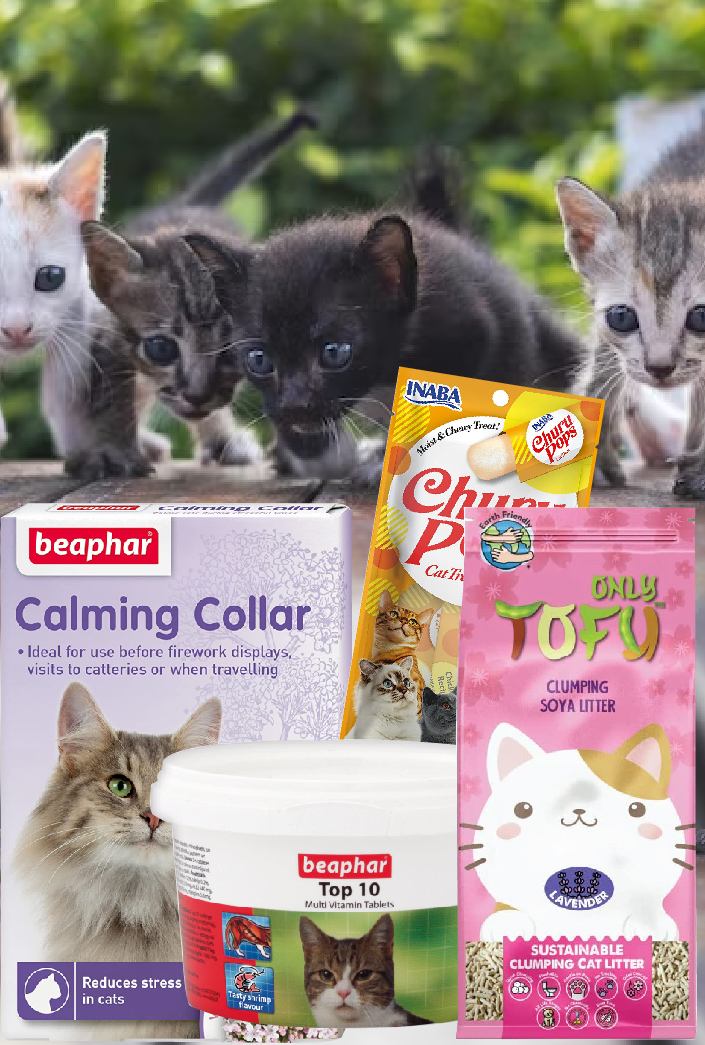
Cat
Food
A cats ideal diet is high in animal protein from sources like chicken, fish, and beef, provided in high-quality commercial wet or dry food, or occasionally cooked, plain human food treats, always avoiding bones and seasonings.
Types of cats
Siamese cat
British short hair cat
Maine coon
Persian cat
Exotic short hair
Life span
domestic cat's lifespan averages 12-18 years, but can reach 20+ years with excellent care, primarily depending on whether they are indoor or outdoor pets, with indoor cats generally living significantly longer (15-20 yrs) due to fewer dangers like cars, diseases, and predators, while outdoor cats face more risks, shortening their average to 2-5 year
Habitat
Cats are highly adaptable, living in diverse natural habitats like forests, deserts, and grasslands, as well as human-dominated areas (urban/rural)
How to make a cat house
To make a cat house, use insulated containers like plastic totes or coolers, cut a small, high entrance (around 6 inches) to keep weather out, and line it generously with straw (not hay) for warmth and moisture repellence, securing lids and seams with tape for a cozy, weatherproof shelter
Care level
To keep a pet as a cat you need to be gentle with it the level of experience is beginner to intermediate.
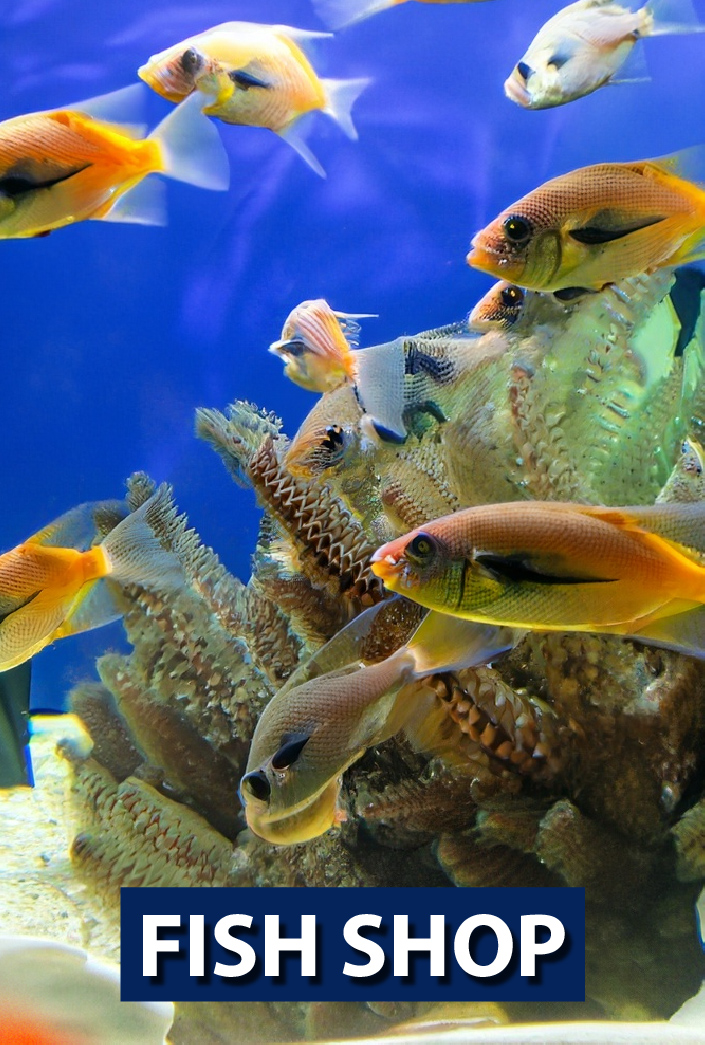
Fish
Food
Fish diets vary wildly by species, but most are opportunistic omnivores eating plants (algae), small critters (insects, worms, crustaceans, plankton), other fish, and decaying matter
Types of fish
Arowana
Gold fish
Betta
Guppie fish
Clown fish
Habitat
A fish habitat is any aquatic environment where fish live, thrive, and complete their life cycles
How to make an aquarium
Making an aquarium involves either building the tank itself (glass/acrylic) or, more commonly, setting up a purchased tank, starting with cleaning, adding substrate & decor, installing equipment (filter, heater), conditioning water, then filling and cycling before adding fish for a healthy aquatic environment
Care level
Fish care experience ranges from Beginner (hardy fish, basic cycling) to Intermediate (healthy community tanks, common problem-solving like the ocean) and Expert/Master (specialized conditions, breeding difficult species, tweaking parameters for specific needs like blackwater or Malawi cichlids)
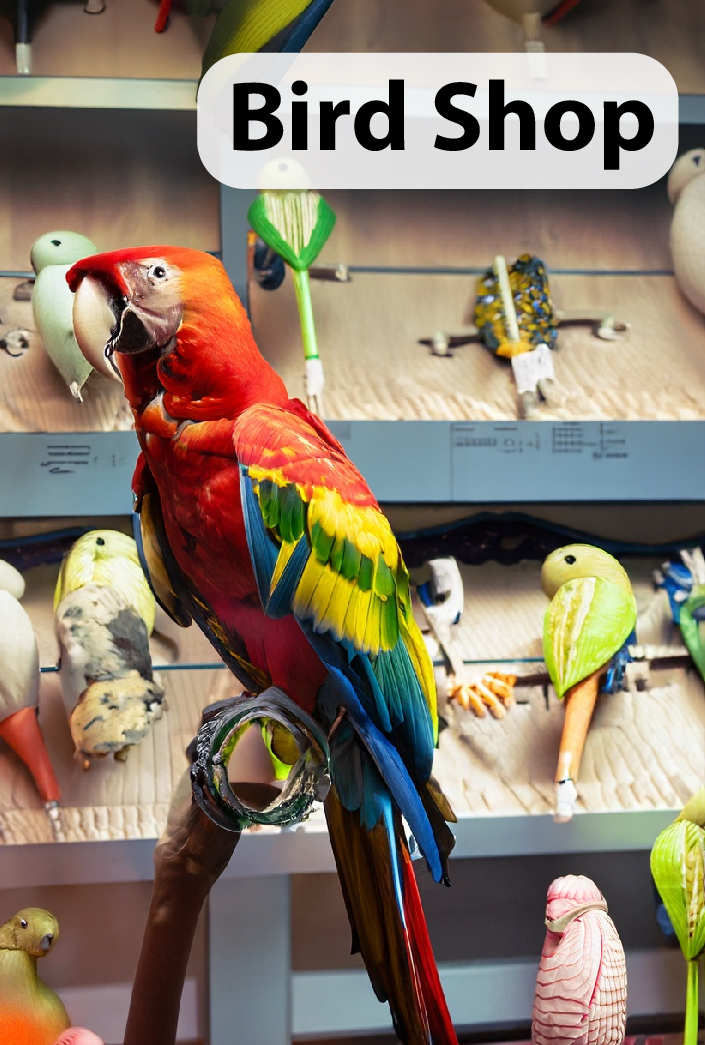
Finches
Canaries
Budgies
African greys
Cockatoos
Macaw
Birds
Food
Birds eat a diverse diet of seeds, fruits, nuts, insects, and nectar, with specific preferences varying by species and season
Types of pet birds
Habitat
A bird's habitat is any place offering food, water, shelter, and nesting sites
How to make a bird house
Making a birdhouse is a rewarding project that can be completed with basic tools and materials like a single cedar plank. For the best results, use untreated wood like cedar, pine, or cypress, which are weather-resistant and safe for birds.
Care level
The level of experience needed for bird care varies significantly by species. While some smaller birds are suitable for beginners, most pet birds, especially parrots, require a significant commitment of time, expertise, and socialization.
Thank You i hope you learned how to keep a pet ranging from reptiles to more