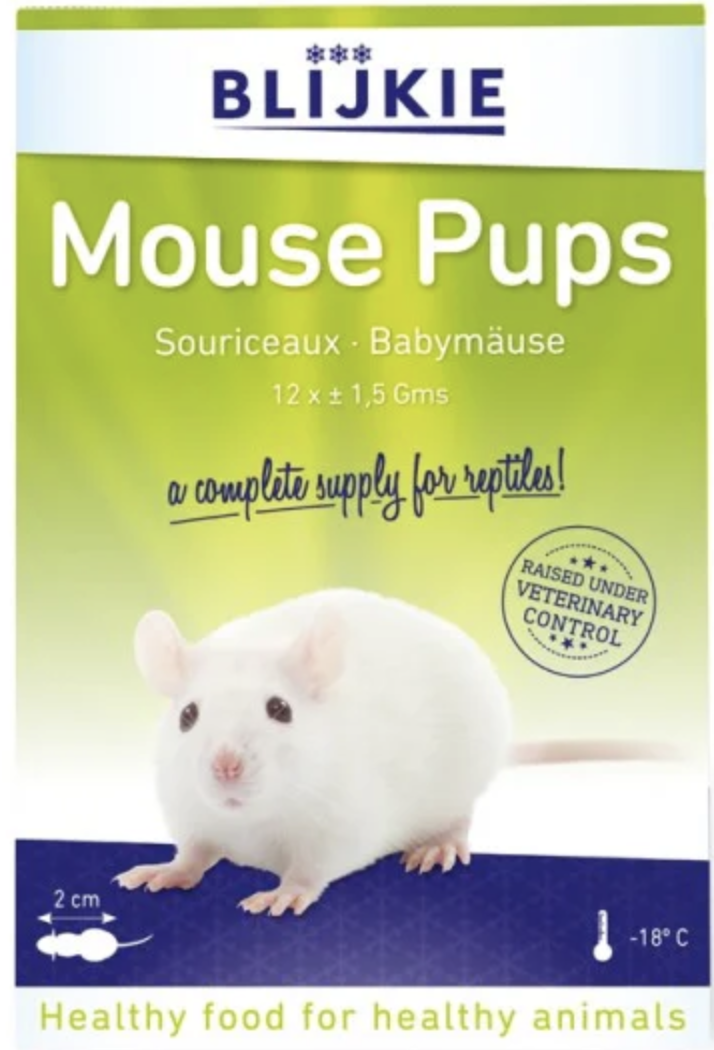
Mouse pups are often used as a food source for a variety of carnivorous pets, particularly reptiles, birds of prey, and some larger amphibians. They are a nutritious and readily available option for feeding these animals. Below is a comprehensive guide on the use of mouse pups, covering aspects from nutritional value to handling and ethical considerations.
### 1. **Nutritional Value**
Mouse pups, particularly those that are still nursing and have not yet developed fur (usually called “pinkies”), are high in protein and fat, making them a nutritious food source for many pets.
#### Nutritional Composition (approximate)
- **Protein**: 55-60%
- **Fat**: 25-30%
- **Moisture**: 10-15%
This nutritional profile makes mouse pups an excellent option for growing reptiles and birds, helping them achieve healthy growth rates.
### 2. **Life Stage Description**
Mouse pups are typically offered at various life stages:
- **Pinkies**: These are newborn mice, hairless and very small. They are often used for feeding very small reptiles or hatchling snakes.
- **Fuzzies**: Slightly older pups that have begun to grow fur. They are larger than pinkies and suitable for small to medium-sized reptiles.
- **Hoppers**: These are even older and larger than fuzzies, with more developed bodies and fur. They are suitable for larger reptiles or pets that require a more substantial meal.
### 3. **Feeding Considerations**
When feeding mouse pups to your pets, consider the following:
#### Size Appropriateness
- Ensure the size of the mouse pup is appropriate for your pet. The general guideline is that the prey should be no larger than the width of the animal’s head.
#### Frequency
- Feeding frequency depends on the species and age of the pet. For example:
- **Growing reptiles**: May require feeding every few days.
- **Adult reptiles**: May eat once every week or two.
#### Feeding Method
- **Frozen-Thawed**: It’s generally safer to feed frozen-thawed mouse pups instead of live ones to prevent injury to your pet.
- To thaw, place them in a sealed bag and immerse it in warm water, or microwave briefly (but do so carefully to avoid hot spots).
- **Live Feeding**: If you choose to feed live, supervise closely to prevent injury or stress.
### 4. **Ethical Considerations**
- **Source**: Ensure that the mouse pups are sourced ethically. Breeding your own mice can be a good option, providing a consistent and healthy food supply.
- **Humane Treatment**: If purchasing mouse pups, ensure they come from a reputable supplier that treats the animals humanely.
### 5. **Handling and Storage**
#### Handling
- If you’re handling frozen mouse pups, use gloves or tongs to avoid direct contact, as they can carry diseases.
#### Storage
- **Freezing**: Store mouse pups in the freezer until ready to use. They can be kept for several months if properly frozen.
- **Thawing**: Always thaw in a controlled manner, avoiding rapid heating methods like microwaving unless you are careful to avoid hot spots.
### 6. **Health Considerations for Pets**
- Monitor your pet for any signs of digestive issues or adverse reactions after feeding mouse pups. If issues arise, consult with a veterinarian experienced in exotic animals.
- Ensure your pet is healthy and properly acclimated to feeding before introducing mouse pups into their diet.
### 7. **Conclusion**
Mouse pups can be a valuable and nutritious food source for many carnivorous pets, contributing to their health and well-being. Whether you choose to buy them or breed your own, understanding the proper handling, ethical considerations, and nutritional aspects will help ensure that your pets thrive on a diet that includes mouse pups. If you have any specific questions or need further information, feel free to ask!