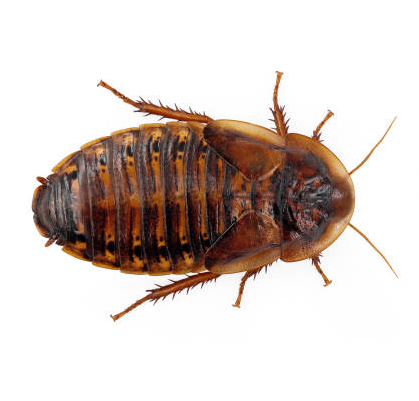
The Dubia cockroach (*Blaptica dubia*) is a popular choice for reptile and amphibian owners as a live feeder. They are easy to care for, nutritious, and have several advantages over other feeder insects. Here’s a comprehensive guide on how to care for Dubia cockroaches:
### 1. **Enclosure Setup**
#### Size of Enclosure
- **Container**: Use a plastic tub or a glass terrarium. A **10-gallon tank** can hold a small colony, while larger colonies will require a **20-gallon or larger** enclosure.
- **Ventilation**: Ensure the container has proper ventilation. You can drill small holes in the lid or use mesh for airflow while preventing escapes.
#### Substrate
- **Options**: Use egg crates, cardboard, or a thin layer of coconut fiber or soil. This will give the roaches places to hide and climb. Avoid using sand or any substrate that can cause impaction.
#### Hiding Spots
- **Hides**: Include cardboard tubes, egg cartons, or commercial hides to provide shelter and reduce stress.
### 2. **Temperature and Humidity**
#### Temperature
- **Optimal Range**: Keep the enclosure temperature between **80°F - 95°F (27°C - 35°C)**. Temperatures around **85°F - 90°F** are ideal for breeding.
- **Heating**: Use a heat mat or heat lamp to maintain the temperature, especially in cooler climates. A thermostat can help regulate temperatures effectively.
#### Humidity
- **Levels**: Aim for humidity levels around **40% - 60%**.
- **Misting**: Lightly mist the enclosure occasionally to maintain humidity but avoid making it too damp. Proper ventilation will help prevent mold growth and excess moisture.
### 3. **Feeding**
#### Diet
- **Nutrition**: Dubia cockroaches are omnivores and can be fed a variety of foods, including:
- **Commercial Roach Food**: There are specialized diets available that provide balanced nutrition.
- **Fruits and Vegetables**: Offer fresh fruits (like apples, bananas, and oranges) and vegetables (like carrots, sweet potatoes, and leafy greens). Avoid citrus in large amounts as it can be harmful.
- **Grains**: Oatmeal, whole grain bread, and dog food can also be included in their diet.
#### Water
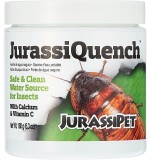
- **Hydration**: Instead of providing standing water, use moist vegetables (like sliced cucumbers or potatoes) or water crystals to prevent drowning and provide hydration.
### 4. **Breeding**
#### Conditions
- **Breeding Setup**: Provide ample hiding spots and maintain optimal temperature and humidity levels to encourage breeding.
- **Mating**: Males will court females. After mating, females will produce egg cases (oothecae) containing 30-40 eggs each.
- **Gestation**: The gestation period is approximately **30-60 days**, after which the female will give birth to live young (nymphs) rather than laying eggs.
#### Raising Nymphs
- **Housing**: Provide a separate enclosure for nymphs, as they require more warmth and humidity.
- **Feeding**: Ensure nymphs have access to appropriate food and moisture to promote healthy growth.
### 5. **Handling and Care**
- **Handling**: Dubia cockroaches are not aggressive and can be handled if necessary. However, they are not typically handled like other pets since they are primarily used as feeders.
- **Cleaning**: Regularly clean the enclosure to prevent mold and odors. Remove uneaten food and waste to maintain a healthy environment.
### 6. **Lifespan and Growth**
- **Lifespan**: Dubia cockroaches can live for **1-2 years** under optimal conditions.
- **Growth Rate**: Nymphs will mature in about **3-4 months** depending on temperature and feeding conditions.
### 7. **General Tips**
- **Quantity**: Maintain a good ratio of males to females (about 1 male to 3 females) to ensure a thriving colony.
- **Colony Maintenance**: Start with a colony of at least **50-100 roaches** to ensure healthy breeding and population stability.
- **Temperature Monitoring**: Use thermometers and hygrometers to monitor temperature and humidity levels in the enclosure.
### Conclusion
Dubia cockroaches are an excellent choice for feeding reptiles and amphibians due to their nutritional value and ease of care. By providing the right environment, diet, and care, you can maintain a thriving colony that will keep your pets healthy and satisfied. If you have any specific questions or need further information, feel free to ask!