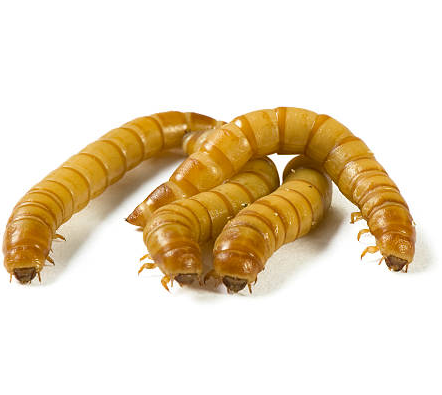
Mealworms (*Tenebrio molitor*) are the larvae of the darkling beetle and are commonly used as a food source for reptiles, birds, and other pets. They are easy to care for, nutritious, and can be raised at home. Here’s a comprehensive guide on how to care for mealworms:
### 1. **Enclosure Setup**
#### Container
- **Size**: Use a plastic or glass container that is at least **2-5 gallons** in size for small to medium colonies. A larger container can support bigger colonies.
- **Ventilation**: Ensure the container has ventilation holes (1/8 inch or smaller) to allow airflow while preventing escape.
#### Substrate
- **Options**: Use a substrate that provides moisture and nutrients. Common options include:
- **Oatmeal**: Rolled oats or whole grain oats are ideal as both substrate and food.
- **Wheat Bran**: Can also be used as substrate and provides nutrition.
### 2. **Temperature and Humidity**
#### Temperature
- **Optimal Range**: Keep the temperature between **70°F - 80°F (21°C - 27°C)**. Higher temperatures can speed up the life cycle, while lower temperatures can slow growth.
- **Heating**: Avoid extreme temperatures. If needed, a heat mat can be placed under the container to maintain warmth.
#### Humidity
- **Levels**: Mealworms prefer moderate humidity (about **40% - 60%**). Too much humidity can lead to mold and other issues.
- **Water Source**: Instead of providing standing water, offer moisture through fresh vegetables or fruits (such as carrots, potatoes, or apples) which can provide hydration without risking drowning.
### 3. **Feeding**
#### Diet
- **Primary Food**: Mealworms thrive on a diet of:
- **Oats or Wheat Bran**: These can be offered as their primary source of nutrition.
- **Fresh Foods**: Supplement their diet with:
- **Vegetables**: Carrots, potatoes, and squash can provide moisture and additional nutrition. Remove uneaten food after a few days to prevent mold.
### 4. **Lifecycle and Breeding**
#### Lifecycle
- **Stages**: The lifecycle consists of four stages: egg, larva (mealworm), pupa, and adult beetle.
- **Timeframe**: Mealworms take about **3-4 months** to grow from egg to larva, pupate, and then emerge as adult beetles.
#### Breeding
- **Process**: To breed mealworms:
- Set up a separate container for adult beetles with a similar substrate and feeding regimen.
- Adult beetles will lay eggs in the substrate, which will hatch into mealworms after about 1-2 weeks.
- **Separating Stages**: Once the mealworms grow to a certain size (about 1 inch), separate them from the adults to prevent predation.
### 5. **Handling and Care**
- **Handling**: Mealworms can be gently scooped out for feeding. Avoid excessive handling, as they are delicate.
- **Cleaning**: Clean the enclosure regularly to remove waste and uneaten food. This helps prevent mold and odors.
### 6. **Health Monitoring**
- **Regular Checks**: Monitor the mealworms for signs of disease, such as abnormal behavior or rapid die-off.
- **Mold Prevention**: Ensure that the substrate is not too moist, which can lead to mold growth.
### 7. **Lifespan and Growth**
- **Lifespan**: Mealworms can live up to **3-4 months** in the larval stage.
- **Growth Rate**: They can grow to about **1-2 inches** long in the larval stage.
### 8. **General Tips**
- **Temperature Monitoring**: Use a thermometer and hygrometer to monitor conditions in the enclosure.
- **Avoid Overcrowding**: Ensure that the container is not overcrowded, as this can lead to stress and competition for resources.
- **Food Availability**: Always provide a constant supply of food to support growth and health.
### Conclusion
Caring for mealworms is relatively simple and requires minimal equipment. They are an excellent food source for various pets and can be easily bred and maintained at home. By providing a suitable environment, proper diet, and regular care, you can ensure a healthy and thriving mealworm colony. If you have any specific questions or need further information, feel free to ask!