Express Delivery:
Select your Location
Select your Location
Select your location to see if express delivery is available in your area.


Cart
Your cart is empty.
Something missing? Sign in to see items you may have added from another computer or device.

- Clearance Sale
- Dog
- Cat
- Fish
- Reptile
- Small Animals
- Bird
- Falcon
- Pharmacy
- Zoonotics
- Grooming Tools
- Occasions
Pet Beds
Dog Crates and Gates
Dog Food
Dog Grooming
Dog Shampoo
Dog Cleaning
Dog Harnesses & Vests
Dog Leads and Collars
Dog Fashion
Dog Grooming Supplies
Dog Grooming Equipment
Cat Toilets & Cleaning
Cat Food
Cat Treats
Cat Scratchers
Cat Shampoo
Cat Training
Cat Leads and Collars
Cat Fashion
Cat Crates and Supplies
Cat Harnesses & Vests
Cat Grooming Equipment
Cat Carriers
Cat Hygiene
Automated Controller/Monitor
Live Fishes
Live Corals
Fish Accessories
Reptile Health
Reptile Food
Reptile Accessories
Live Animals
Turtle
Live Small Animals
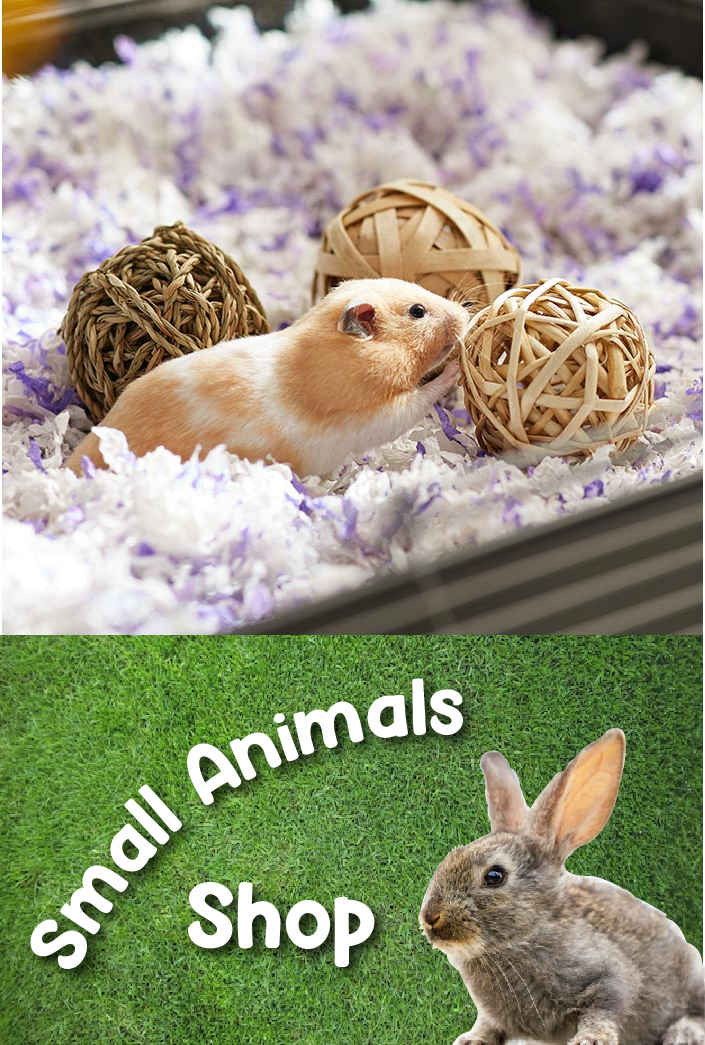
Bird Food & Treats
Bird Supplements
Bird Accessories
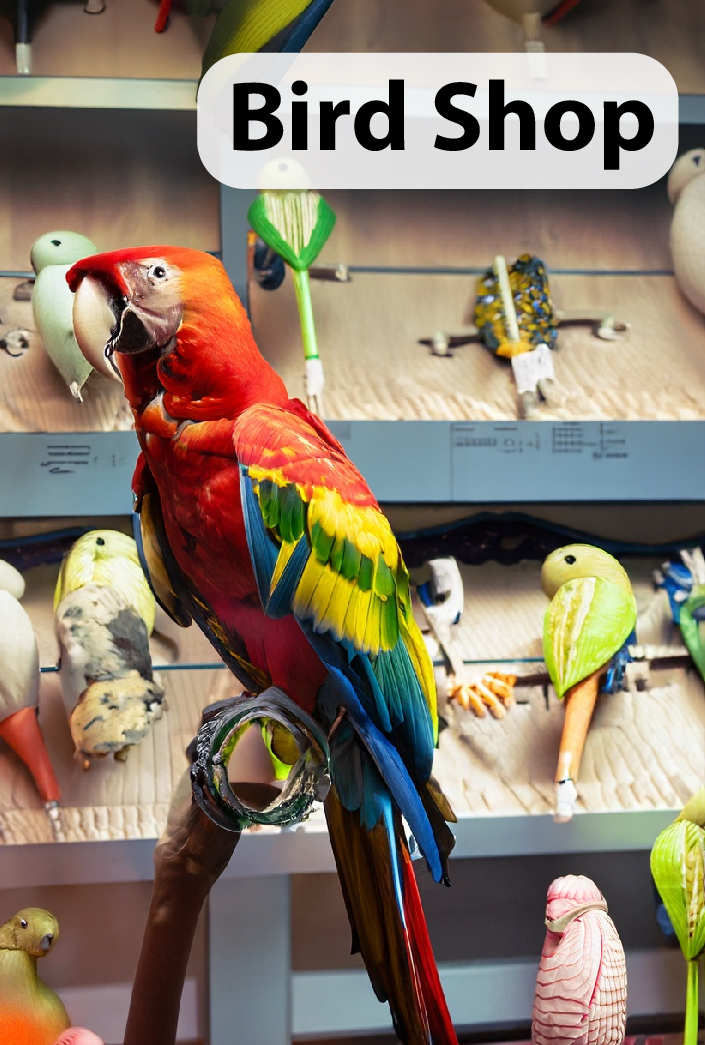

Zoo Food

Grooming Accessories
Tub & Tables
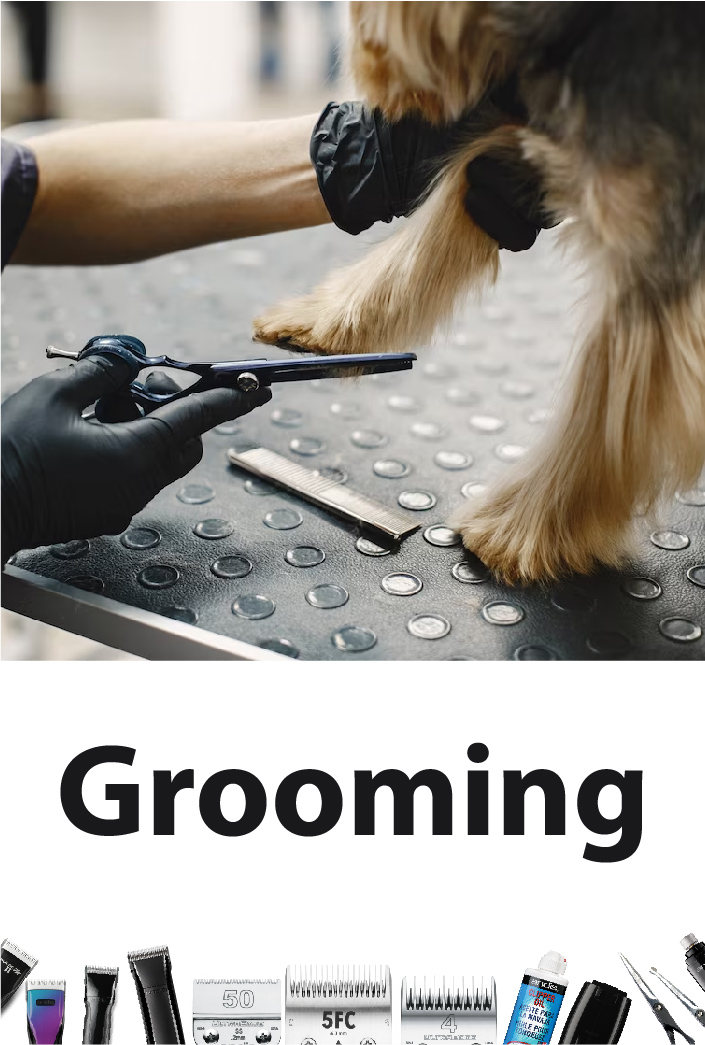


Cart
Your cart is empty.
Something missing? Sign in to see items you may have added from another computer or device.


Express Delivery:
Select your Location
Select your Location
Select your location to see if express delivery is available in your area.
Category
No categories were found
Product
Start typing for search results